



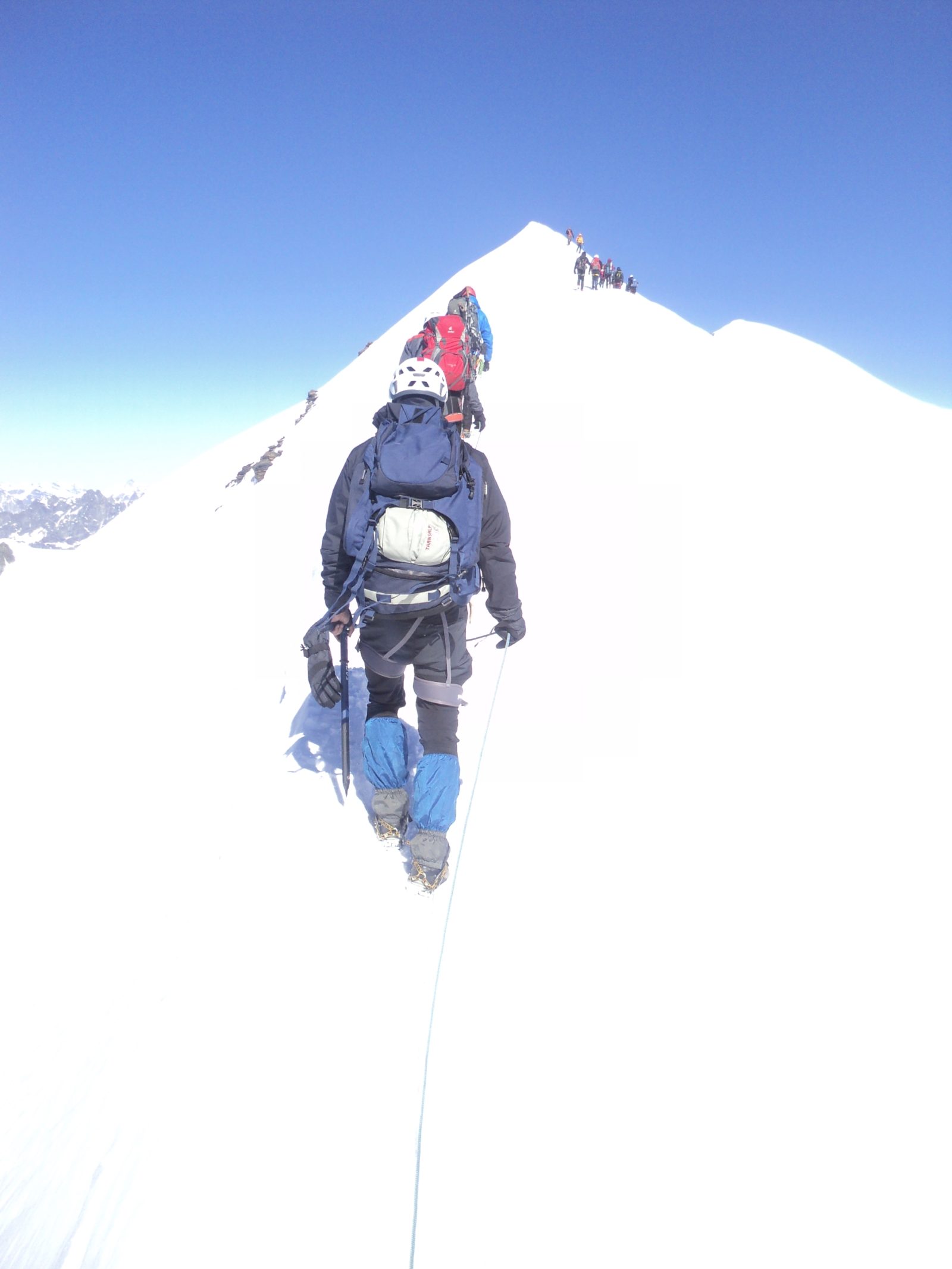
When you’re in the mountains, emergencies can happen unexpectedly. A sudden injury, bad weather, or getting lost can leave you stranded far from help. In many remote areas, mobile phone coverage is unreliable or completely unavailable. If you can’t contact emergency services by phone or radio, knowing the international mountain distress signal could make all the difference.
Watch the video, or read on!
What Is the International Mountain Distress Signal?
The international mountain distress signal is a simple and widely recognized method of calling for help when conventional communication is impossible. It relies on a repeating pattern of visual or audible signals that rescuers can easily recognize.
How to Signal for Help
If you need assistance:
- Give 6 identical signals within 1 minute, spaced evenly apart.
- Wait 1 minute.
- Repeat the sequence of 6 signals, followed by another 1-minute pause.
- Continue this pattern until you receive a response.
The consistency of the signal helps distinguish it from random noises or accidental sounds in the outdoors.
How Rescuers Respond
If someone sees or hears your distress signal, they should respond by:
- Giving 3 identical signals within 1 minute, evenly spaced.
- Waiting 1 minute.
- Repeating the pattern until you stop sending your distress signals.
This tells you that your call for help has been received and that rescuers are aware of your location.
Ways to Send the Signal
The distress signal can be either visual or audible. Use whatever is available to you.
Audible Signals
- Blowing a whistle
- Shouting
- Whistling
- Banging rocks together
- Tapping on metal or other objects
Visual Signals
- Flashing a flashlight or headlamp
- Reflecting sunlight with a mirror
- Waving a brightly colored jacket or piece of clothing
- Using any other visible light source
The important part is not the method itself, but maintaining the correct pattern of six signals followed by a one-minute pause.
Why Every Outdoor Adventurer Should Know This
Whether you’re hiking, mountaineering, backpacking, or exploring remote wilderness, this simple emergency procedure could help rescuers locate you when other forms of communication fail.
While carrying a fully charged phone, satellite communicator, personal locator beacon (PLB), or emergency GPS device is always recommended, these tools can fail due to dead batteries, damage, or lack of signal. Knowing basic emergency signaling techniques provides an additional layer of safety.
To summarize…
The international mountain distress signal is easy to remember:
- Need help: 6 signals in 1 minute → wait 1 minute → repeat.
- Rescuer’s response: 3 signals in 1 minute → wait 1 minute → repeat.
It’s a simple piece of knowledge that takes only a minute to learn but could prove invaluable in a real emergency. Before your next trip into the mountains, take a moment to remember this signal—and consider sharing it with your hiking partners. One day, it could help save a life.

I am a mountain guide, scuba diver & a striking martial arts instructor working in Zagreb Croatia.









Leave a comment