



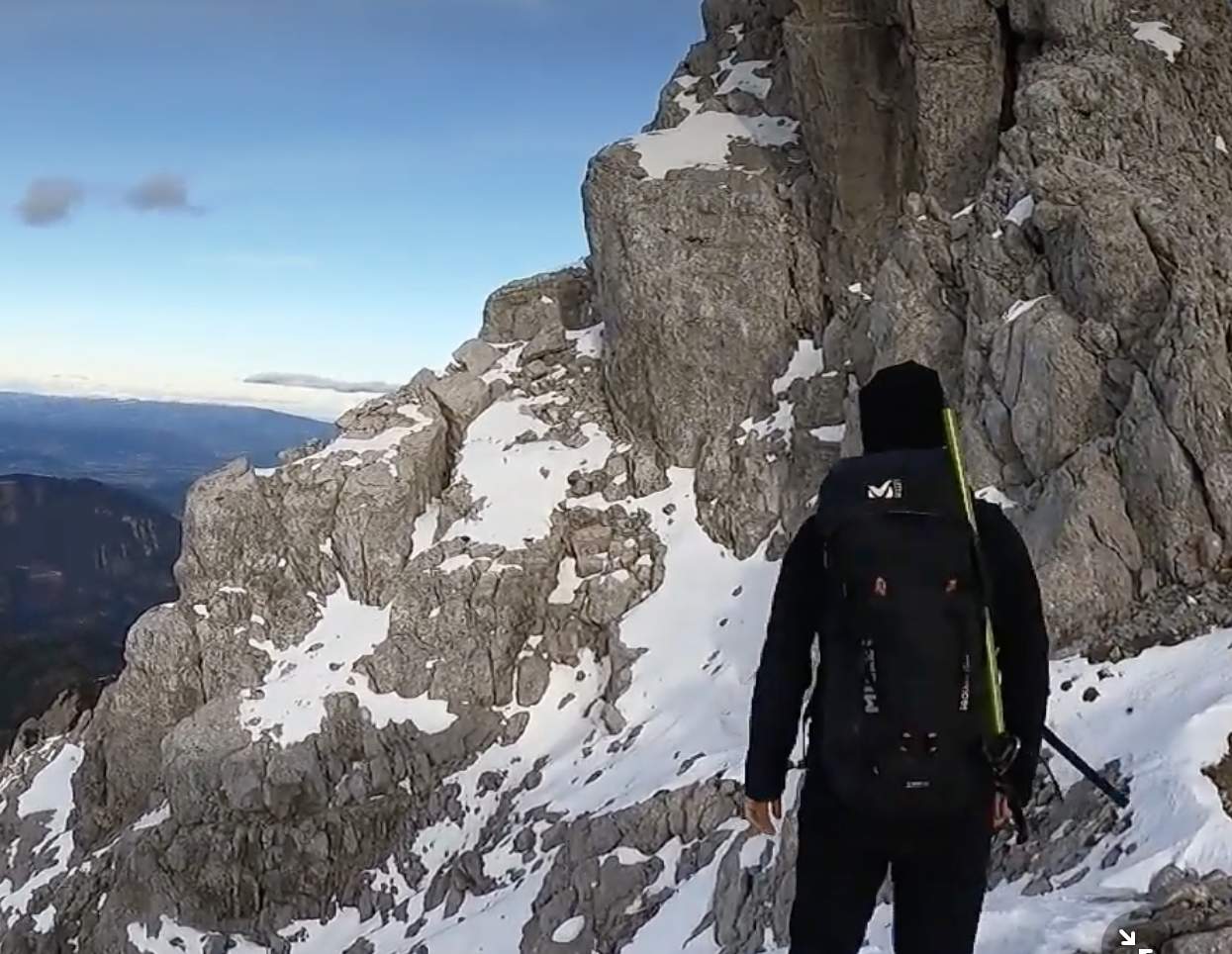
An ice axe is one of the most important pieces of mountaineering equipment. It can help you maintain balance, cross glaciers safely, climb steep snow, and, most importantly, stop a fall with a self-arrest.
However, choosing the right ice axe isn’t always straightforward. Walk into any outdoor store and you’ll find dozens of different models, lengths, and shapes. While it’s tempting to buy the most technical-looking tool, the truth is that the best ice axe is the one designed for the terrain you actually climb.
In this guide, we’ll break down the four main types of ice axes and explain which one is right for your adventures.
Understanding the Parts of an Ice Axe
Before choosing an ice axe, it’s helpful to understand its basic components.
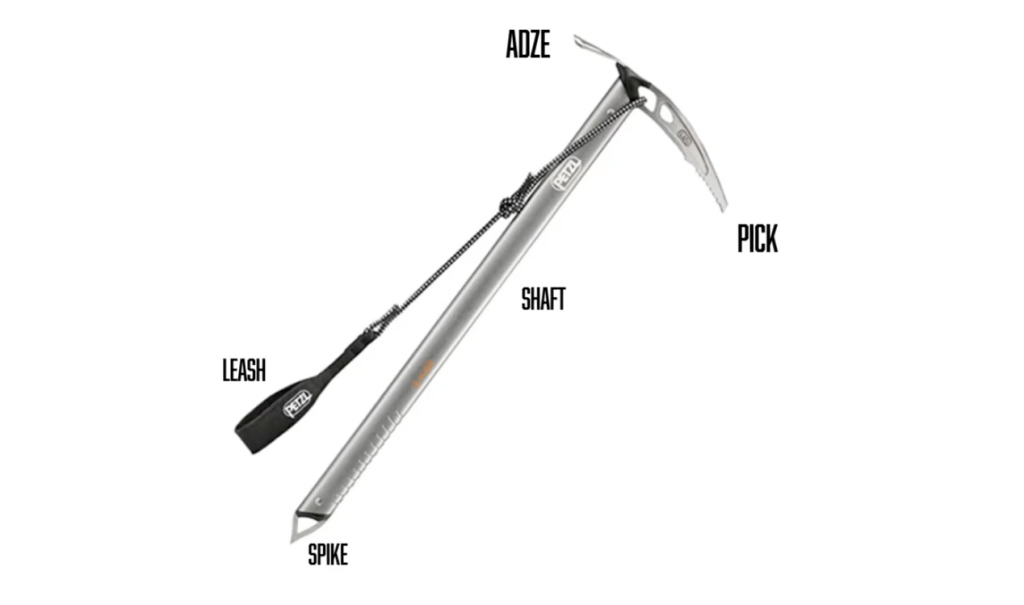
A traditional mountaineering ice axe consists of:
- Shaft – the main body of the ice axe.
- Spike – located at the bottom of the shaft and used for stability while walking.
- Head – the top section of the axe.
- Pick – the pointed end used for self-arrest and climbing.
- Adze – the flat blade opposite the pick, useful for cutting steps or moving snow.
Each of these components has a specific purpose, but their design changes depending on the intended use of the ice axe.
1. Classic Mountaineering Ice Axe
If you’re new to mountaineering, this is almost certainly the type of ice axe you should start with.
The classic mountaineering ice axe features a straight shaft and is designed primarily for walking on snow, glacier travel, and climbing moderate slopes.
It excels at:
- Glacier crossings
- Snow-covered alpine routes
- General mountaineering
- Self-arrest
- Walking on steep snow
Because these axes are longer, they can also be used as an additional point of support while ascending or descending snow slopes.
For many mountaineers, this single tool will be all they ever need.
2. Hybrid Ice Axe
As routes become steeper and more technical, a hybrid ice axe starts to make more sense.
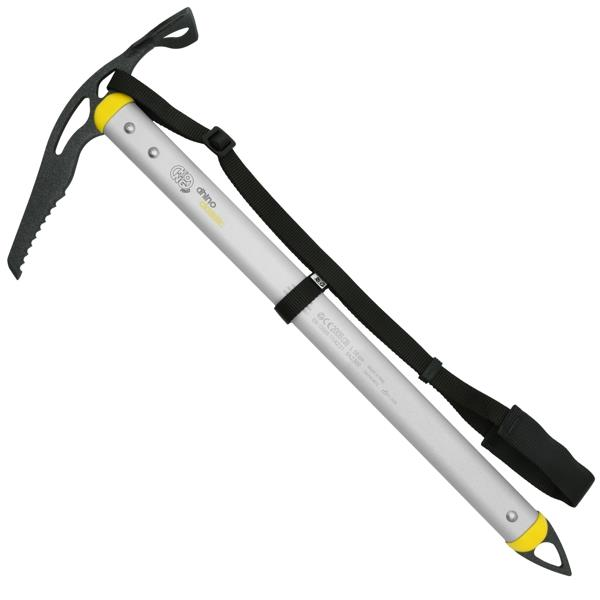
These models combine the versatility of a classic mountaineering axe with features borrowed from technical climbing tools. They usually have a slightly curved shaft, improving clearance while climbing without sacrificing too much walking performance.
Hybrid axes are excellent for:
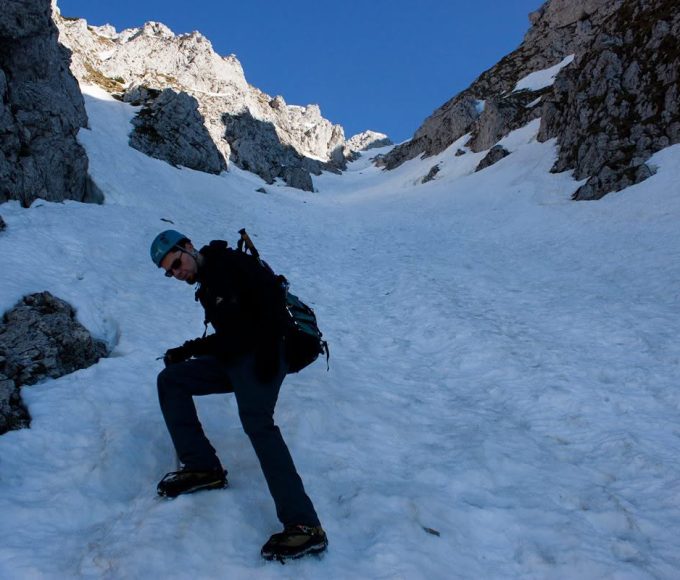
- Steep snow couloirs
- Alpine gullies
- Mixed mountaineering routes
- Winter scrambling
- More technical alpine objectives
Unlike fully technical tools, they still work reasonably well for self-arrest, making them a great all-around option for experienced mountaineers.

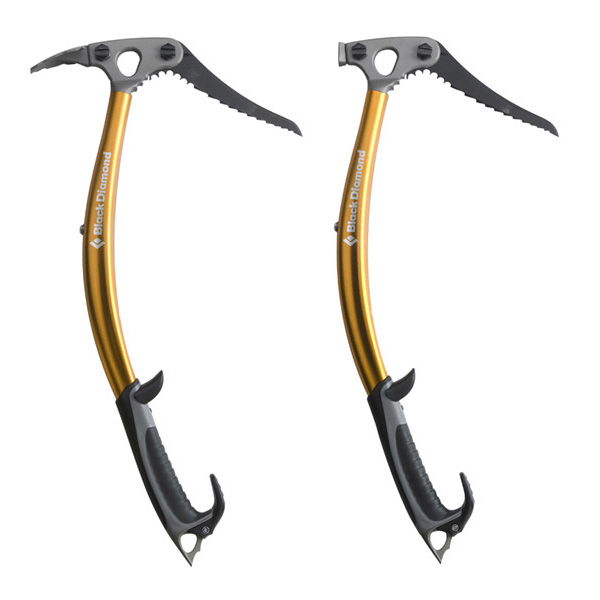
3. Alpine Climbing Tools
Once the terrain consistently exceeds around 60 degrees, specialized alpine climbing tools become the preferred choice.
Their curved shafts allow your hands to clear the ice while swinging, making climbing far more efficient and comfortable.
These tools are built for:
- Steep snow climbing
- Alpine north faces
- Mixed climbing
- Technical alpine routes
The trade-off is that their curved design makes them poor walking axes.
Because of the shape of the shaft, they aren’t suitable for glacier travel or traditional self-arrest techniques. They’re climbing tools first and foremost.
4. Ice Climbing Tools
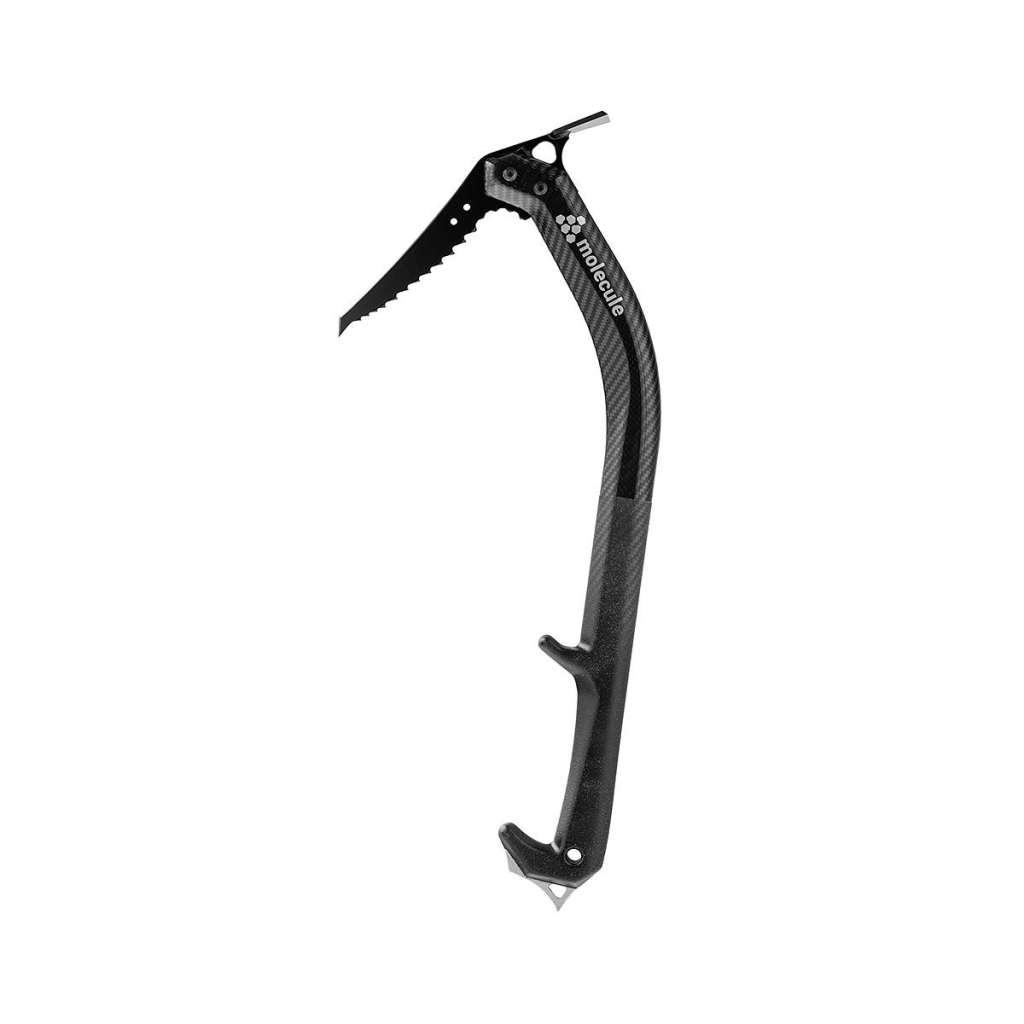
Ice climbing tools are designed specifically for vertical ice and mixed climbing.
Everything about their design prioritizes precision and efficiency on steep terrain:
- Fully curved shafts
- Ergonomic grips
- Aggressive picks
- Excellent swing performance
They’re ideal for frozen waterfalls, vertical ice, and hard mixed routes.
However, they are not suitable for general mountaineering. Walking across glaciers or climbing moderate snow slopes with ice climbing tools is uncomfortable and inefficient.
Simply put, they’re the right tool-but only for very specific objectives.
Choosing the Correct Length
One of the most common questions beginners ask is:
“How long should my ice axe be?”
Years ago, mountaineers commonly carried very long ice axes. Today, modern techniques favor shorter models because they’re more versatile.
As a general guideline:
- 50–55 cm – technical mountaineering and steeper terrain
- 55–65 cm – general mountaineering
- 65–75 cm – traditional glacier walking and less technical terrain
Rather than choosing the longest axe available, think about the terrain you’ll be climbing most often.
Do You Need a Leash?
This depends on your objective.
A leash can prevent accidentally dropping your ice axe during glacier travel or mountaineering, but it may also become restrictive during technical climbing.
Many modern climbers prefer leashless systems, especially when using technical tools.
For classic mountaineering, however, a simple leash can still be a practical safety feature.
Personally, I always use a leash. Years ago I slid down a snow slope after losing my ice axe, and looking back, I know luck played a much bigger role than skill. Since then, I’ve never climbed without it.
The Biggest Mistake People Make
One mistake is surprisingly common:
Buying equipment that’s far more technical than necessary.
It’s easy to assume that expensive ice climbing tools are “better” than a classic mountaineering axe. In reality, they simply serve a different purpose.
If most of your climbing involves hiking peaks, crossing glaciers, or ascending moderate snow slopes, a classic or hybrid ice axe will perform better than a pair of aggressive technical tools.
Choosing equipment based on your objectives—not on appearance—is one of the smartest decisions you can make.
Skills Matter More Than Equipment
No ice axe can replace proper training.
Knowing how to perform a self-arrest, how to hold your ice axe correctly, and when to use different climbing techniques is far more valuable than owning the newest or most expensive model.
Practice these skills in a safe environment before committing to serious alpine terrain. Confidence comes from experience, not from gear alone.
In summary…
There isn’t one “best” ice axe.
There is only the best ice axe for the type of climbing you do.
A classic mountaineering axe remains the perfect choice for most alpine adventures. Hybrid models provide extra capability for steeper terrain, while alpine climbing tools and ice climbing tools are designed for increasingly technical objectives.
Before buying your next ice axe, ask yourself one simple question:
What kind of terrain do I actually climb most often?
Answer that honestly, and you’ll certainly choose the right tool.
Stay safe.
Frequently Asked Questions
Should you use an ice axe for hiking?
Only on snow-covered terrain where there is a risk of slipping. For normal hiking trails, trekking poles are usually the better choice.
What is the difference between an ice axe and an ice tool?
An ice axe is designed primarily for mountaineering, glacier travel and self-arrest, while an ice tool is built specifically for technical ice and mixed climbing.
Do beginners need a technical ice axe?
No. For most beginners, a classic mountaineering ice axe is the safest and most versatile option.
What length ice axe should I buy?
Most modern mountaineers use axes between 55 and 65 cm, depending on height and terrain.









Leave a comment