



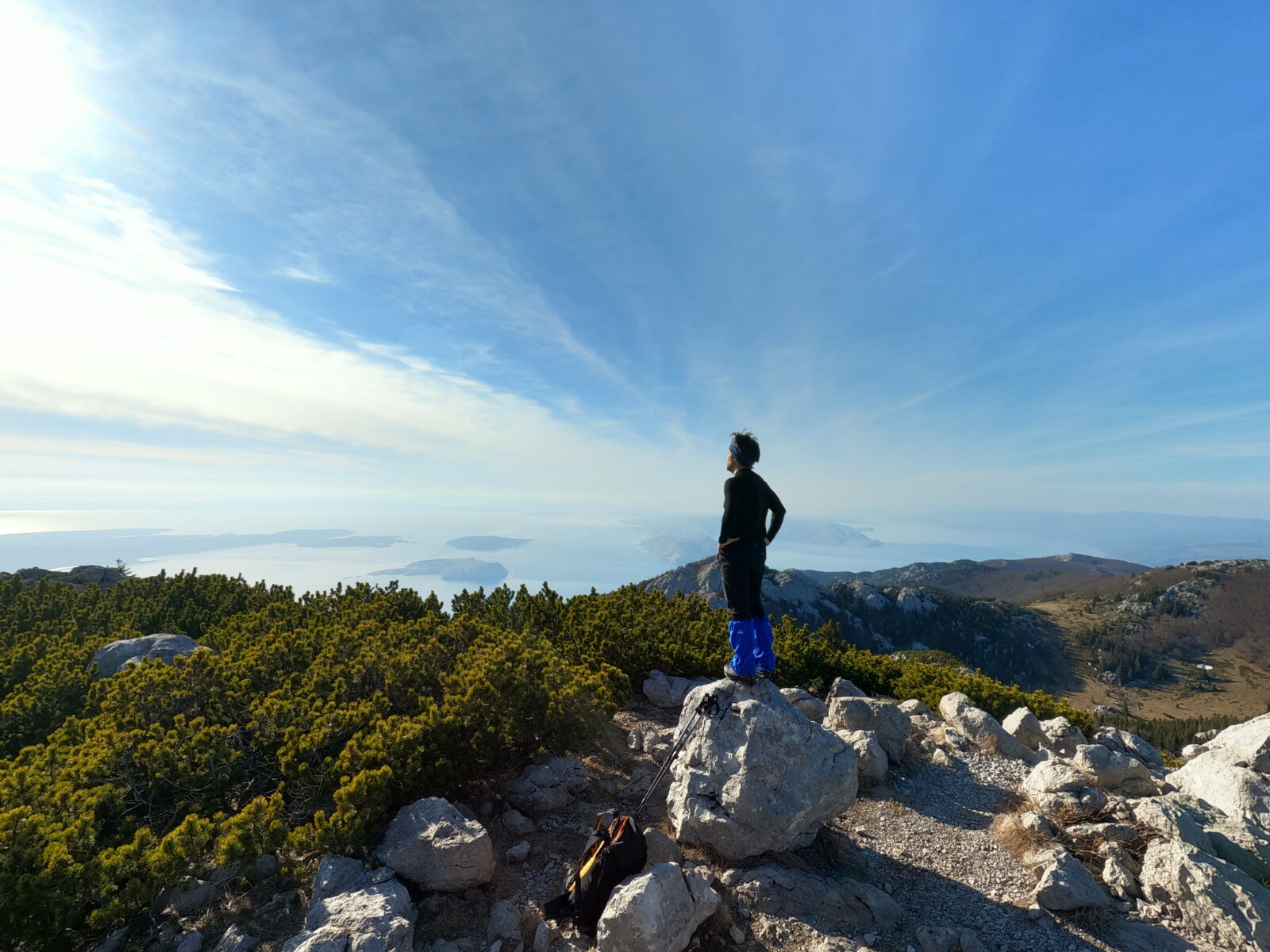
Northern Velebit National Park is one of the wildest and most rewarding hiking destinations in Croatia.
Unlike the more accessible mountains near cities, Northern Velebit feels remote, raw, and untouched. Here, you don’t just go for a walk – you step into a landscape of limestone ridges, deep sinkholes, ancient forests, and open views stretching all the way to the Adriatic islands.
But that beauty comes with complexity.
If you’re planning to hike here, this guide will help you understand the routes, weather conditions, and what to realistically expect – so you can decide whether to go independently or with a guide.
General Info
- Entrance fee: A flat €7 for adults, year-round (no seasonal price increase, unlike some other Croatian national parks)
- Opening hours:
Babić Siča entrance – roughly 8:00 AM–8:00 PM in peak season (shorter hours off-season);
Alan entrance – 8:00 AM – 4:00 PM year-round - Where to buy tickets: At the park entrances (Babić Siča or Alan), or online in advance via the official park website
- Distance: ~200 km from Zagreb, accessible via the coastal route through Senj or inland via Krasno/Otočac
- Park entrances: Two main access points:
Babić Siča, the main entrance
Alan, further along the ridge – both reached via local roads rather than a direct highway exit, so allow extra driving time on the approach
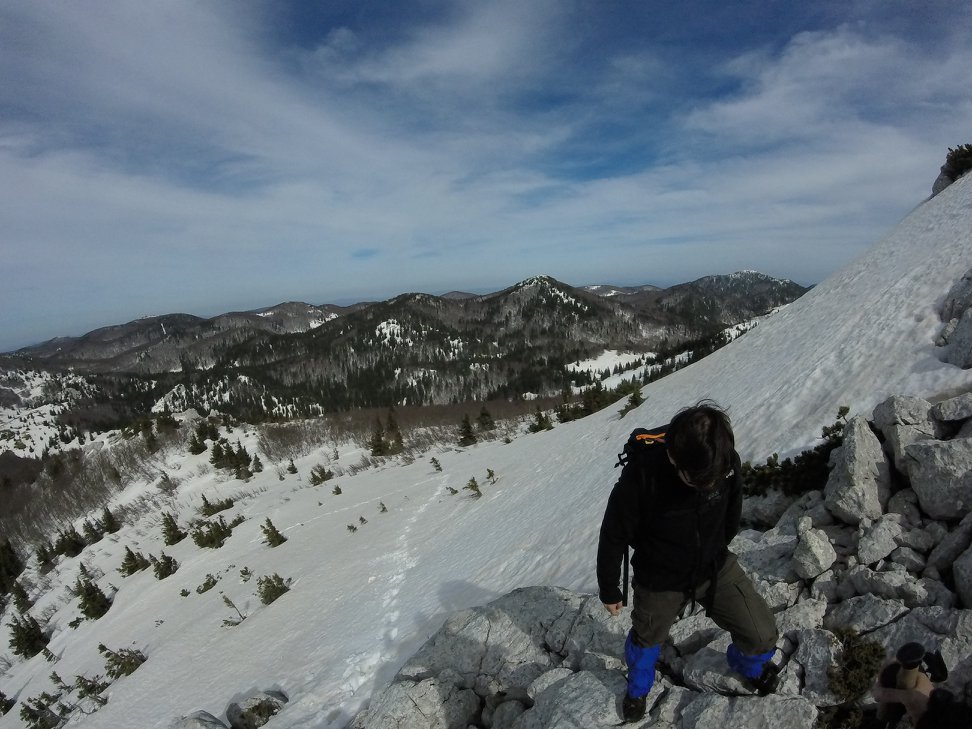
If you are looking for a guided hike in National Park Northern Velebit, you can hire me as your guide on Get Your Guide, or contact me directly.
Why hike in Northern Velebit?
Northern Velebit is not your typical “tourist hiking” destination.
It offers:
- Dramatic karst terrain (rock formations, sinkholes, ridges)
- Panoramic views of the Adriatic Sea and islands
- A mix of forest, alpine meadows, and exposed mountain terrain
- Fewer crowds compared to places like Plitvice or Paklenica
- Wilder than its southern brother
This is where Croatia starts to feel wild and alpine.
Safety in Northern Velebit
Northern Velebit is more remote and less forgiving than parks closer to Zagreb, and its biggest hazard isn’t the terrain – it’s the weather.
The bura wind: Sudden, powerful gusts can hit even outside winter, strong enough to affect your balance on open ridges. If the bura picks up while you’re on an exposed section, get low and move toward tree cover or a sheltered dip in the terrain rather than trying to push through it upright.
If fog or sudden weather rolls in: Trail markings can be faded in places, and junctions aren’t always obvious even in good visibility. In fog, stop and reassess rather than guessing at a junction – backtracking to the last clear marker is safer than continuing on a hunch.
Emergency contact: Call 112 in case of emergency (connects to HGSS – the Croatian Mountain Rescue Service). Given the limited mobile signal in parts of the park, note your last known position and any hut or landmark you passed, in case you need to describe your location.
Distances between huts: Unlike smaller parks, help or shelter can be genuinely far away here. Know the distance to the nearest hut before you set out, not just the summit.
A guide’s note: If you’re unsure about conditions or navigating the ridge sections, going with a guide removes most of that risk – feel free to get in touch.
What to Pack
Northern Velebit demands more from your gear than most Croatian parks – the terrain is rougher, the wind is stronger, and help is further away if something goes wrong.
Essentials, year-round
- Sturdy hiking boots with good ankle support and a solid sole – the limestone here is sharp and relentless, even on “easier” routes
- A proper windproof/waterproof shell with a hood that stays put – the bura isn’t like normal wind, and a flappy rain jacket won’t cut it
- Layered clothing – wind chill can drop the felt temperature dramatically even when the thermometer says otherwise
- Trekking poles – genuinely useful on the uneven, rocky ground rather than just a nice-to-have
- More water than you’d normally carry – natural sources are limited and can dry out by mid-summer, and some huts rely on cisterns rather than running water
- Offline maps or GPS, plus a charged phone – mobile signal is patchy across large parts of the park
- A basic first aid kit, and a headlamp if there’s any chance of finishing later than planned
- Sun protection – the exposed ridges offer no shade for long stretches
If you’re doing a multi-day section of the Premužić Trail
- A daypack big enough for overnight essentials if you’re staying in a mountain hut (sleeping bag liner, warm layer for the evening)
- Cash for hut stays
- A backup plan for water resupply between huts
Seasonal additions
- Spring/Autumn: Extra insulation and gloves – conditions on the ridge can feel like winter even when it’s mild at lower elevations
- Summer: Still pack a warm layer – the bura and altitude can make even July feel cold up top
- Winter: This isn’t terrain for casual winter hiking – crampons, proper mountaineering experience, and ideally a guide who knows current conditions
A guide’s note
People underestimate Velebit because it looks manageable on a map. The distances between shelter, the wind, and the rocky terrain add up fast – pack like you’re genuinely going somewhere remote, because you are.
Best hiking routes in Northern Velebit
There are dozens of trails, but a few stand out as the most worthwhile – depending on your level.
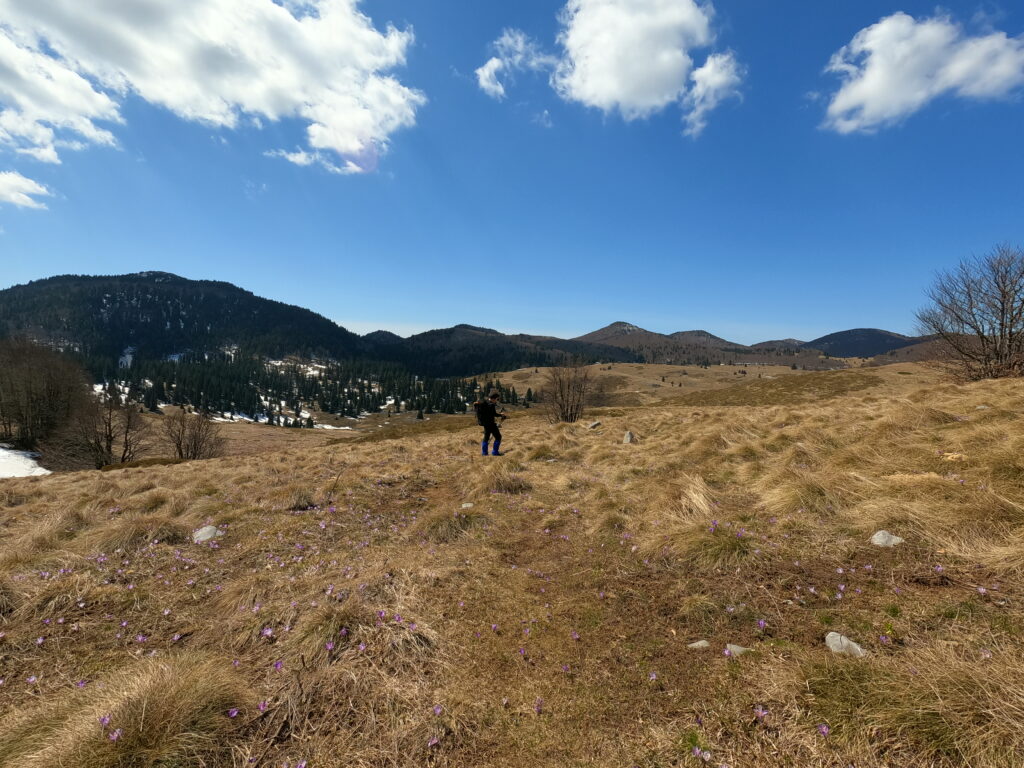
Premužić Trail (Premužićeva staza)
Best for: Scenic long-distance hiking without steep climbs
- Distance: 46 km
- Difficulty: Moderate
- Elevation gain: relatively low
This is the most famous trail in the park – and for good reason.
Built as a dry-stone path, it allows you to traverse the mountain ridge with surprisingly little elevation gain while still experiencing dramatic views.
You can hike short sections (3–6 hours) or extend it into a multi-day trek.
Ideal if you want:
- big views
- manageable terrain
- a classic Velebit experience
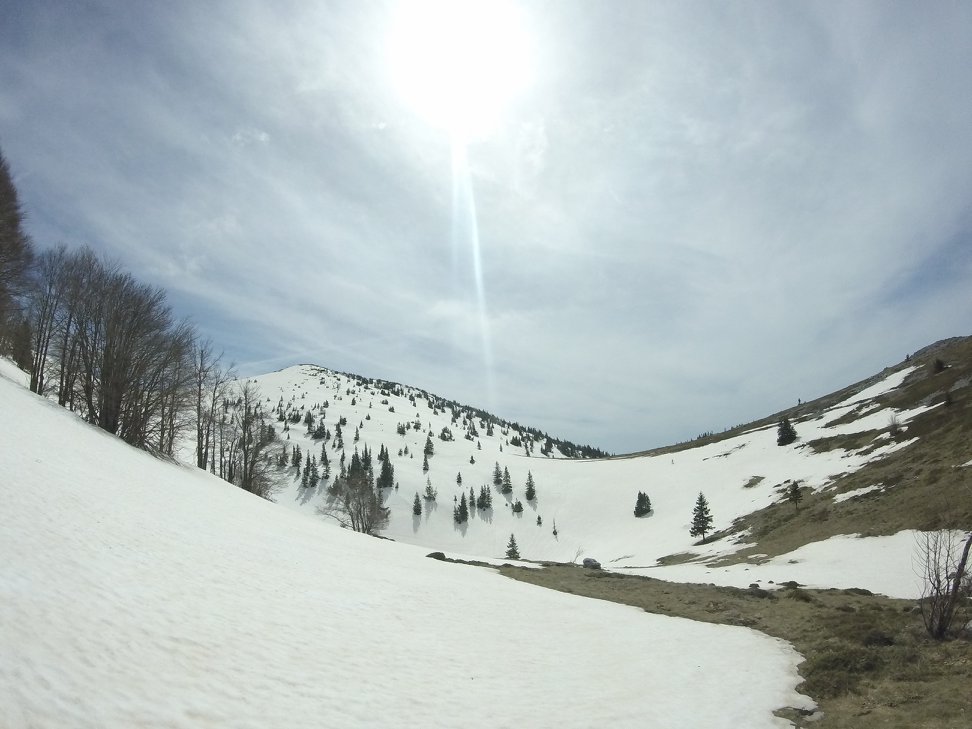
Velika Kosa, Balinovac, Veliki Zavižan Peak
Best for: Short hikes with high reward
- Duration: 3-4 hours
- Difficulty: Moderate
- Elevation gain: ~180 m
Starting from the Zavižan mountain hut, this is one of the easiest ways to reach a summit in Northern Velebit.
The terrain alternates between forest and open rocky sections, ending with panoramic views from the highest peak in the northern part of the mountain.
Perfect if you:
- have limited time
- want a quick but memorable hike
Veliki Pivčevac
Best for: Moderate hikers looking for a rewarding summit with panoramic views
Duration: 3 hours (one way, depending on route)
Elevation gain: ~600–800 m
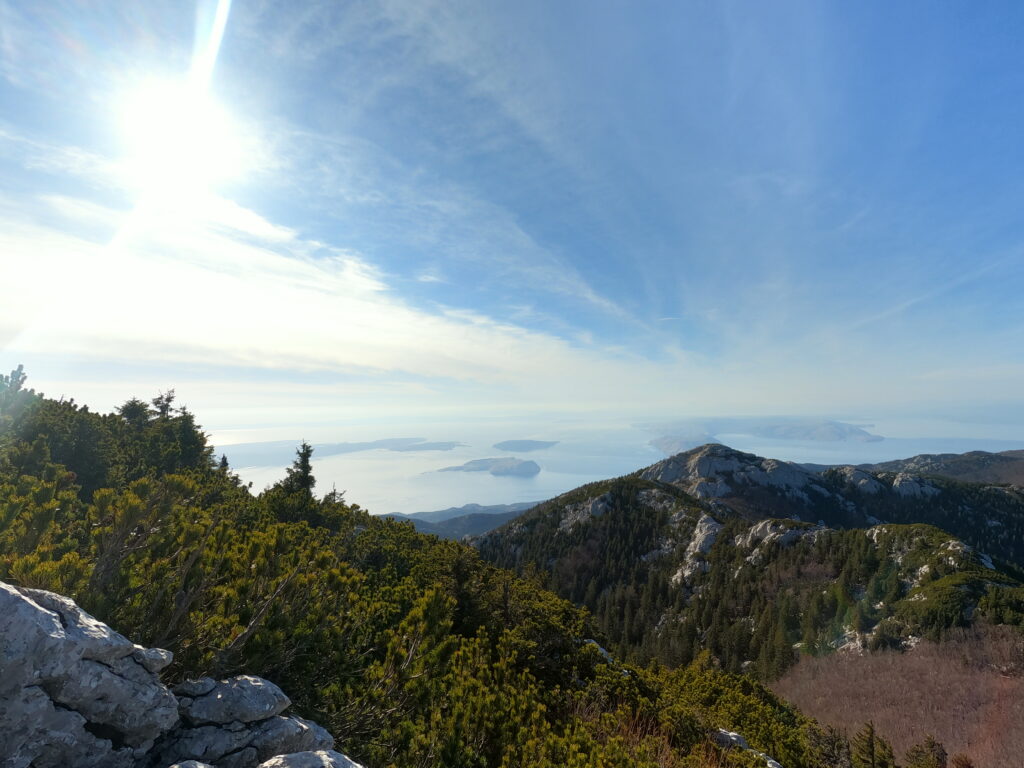
Veliki Pivčevac is one of the most scenic peaks in Northern Velebit National Park, offering wide, open views over the rugged Velebit landscape.
The trail follows a mix of forest paths and rocky terrain, gradually opening up as you approach the summit ridge. While not technically demanding, the route requires good footing and a reasonable level of fitness.
Compared to more popular spots, this hike feels quieter and more remote, making it ideal if you’re looking for a more authentic mountain experience.
Ridge hikes & advanced routes
For more experienced hikers, Northern Velebit offers:
- exposed ridges
- rocky ascents
- longer, more demanding routes
Some trails can take 8–10 hours or more and require strong fitness and navigation skills.
These are where the mountain truly becomes “wild”.
Zavižan Mountain Hut (PD Zavižan)
Zavižan is the starting point for most of the routes above and one of the most recognizable spots in the park – it’s also home to Croatia’s oldest high-altitude meteorological station, still staffed today.
- Overnight price: roughly €10 per person (depends on if you are a member of any mountain club – always confirm current pricing and availability directly with the hut)
- Booking: Advance notice is required – the hut is run by a caretaker family, and beds aren’t guaranteed without prior arrangement
- What’s included: A bed only; bring your own sleeping bag, especially in winter, as bedding isn’t provided
- Facilities: Basic – rainwater-fed sanitary facilities, no showers, but the kitchen can be used
- Food/drink: Simple meals and drinks (tea, brandy, local beer) are usually available for purchase, but don’t expect a full restaurant menu. In practical terms, homemade coffee, tea, beer, local spirits, and soft drinks.
If you’re planning to hike sections of the Premužić Trail over multiple days, Zavižan is the natural first stop and a good base for reaching Veliki Zavižan, Velika Kosa, and Balinovac before continuing further along the ridge.
Weather in Northern Velebit
Weather is the #1 factor that defines your experience here.
And it can change fast.
Wind (Bura)
The famous bura wind can be extremely strong – even outside winter.
- sudden gusts
- strong enough to affect balance
- can dramatically lower perceived temperature
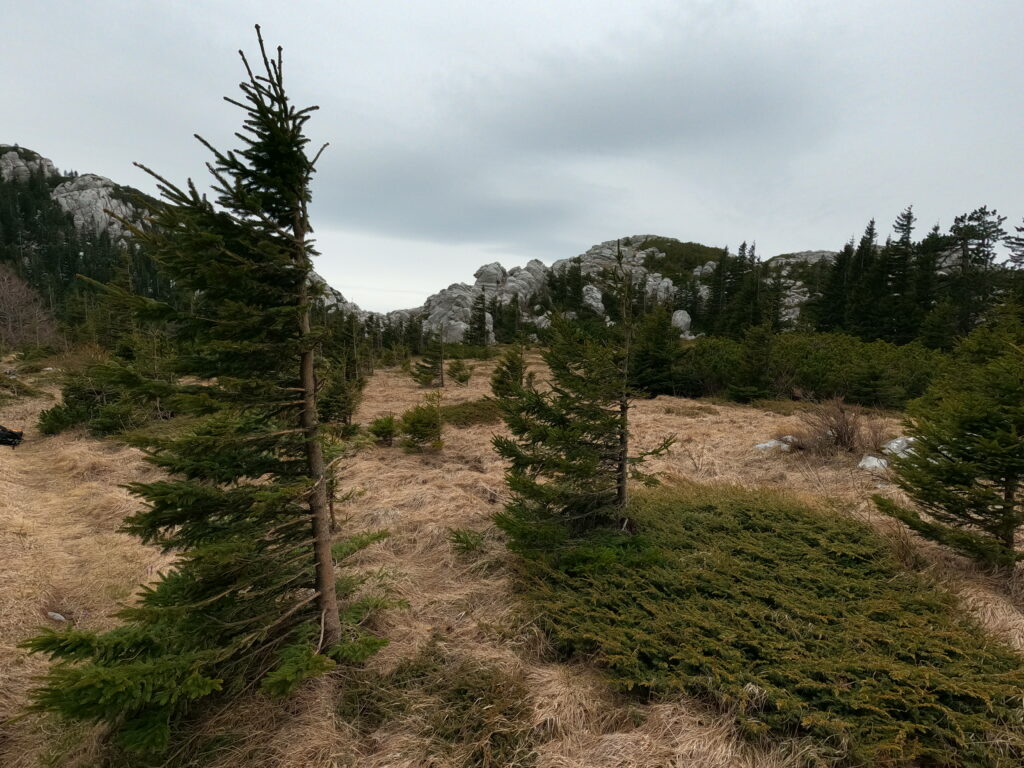
Rapid weather changes
Conditions can shift within hours:
- sunny at lower elevations
- fog, rain, snow and cold higher up
Even in summer, you can experience:
- wind
- wind chill effect
- temperature drops
- reduced visibility
Seasonal reality
- Best time: May – October
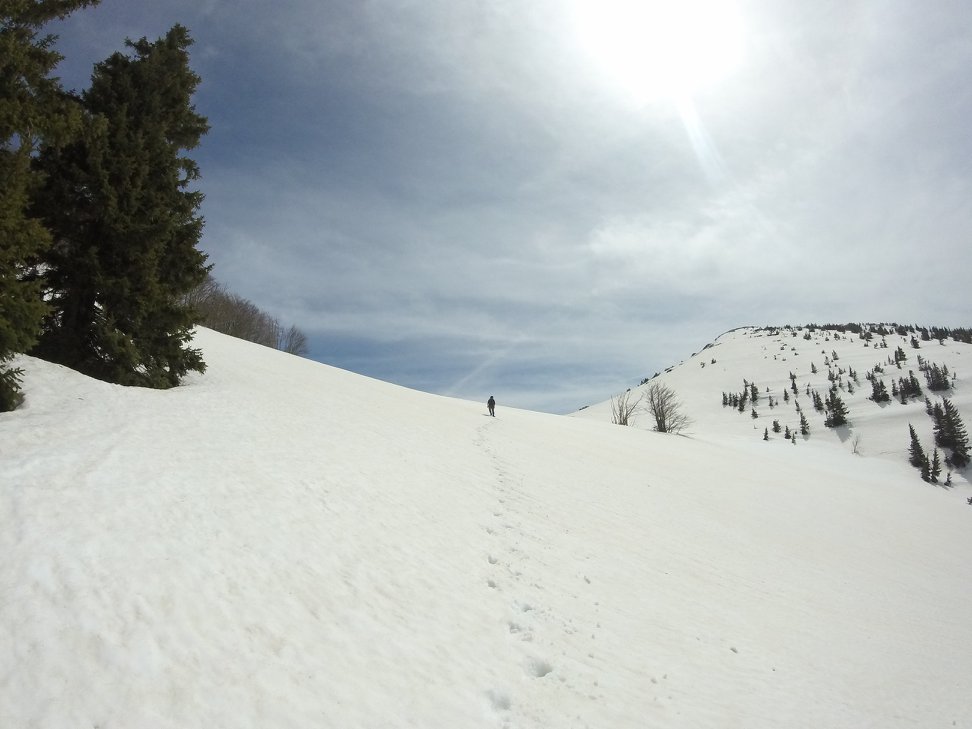
- Winter: snow, ice, limited access
- Spring/Autumn: variable, sometimes unpredictable
Northern Velebit is not a “year-round easy hike” destination.
Wildlife in Northern Velebit
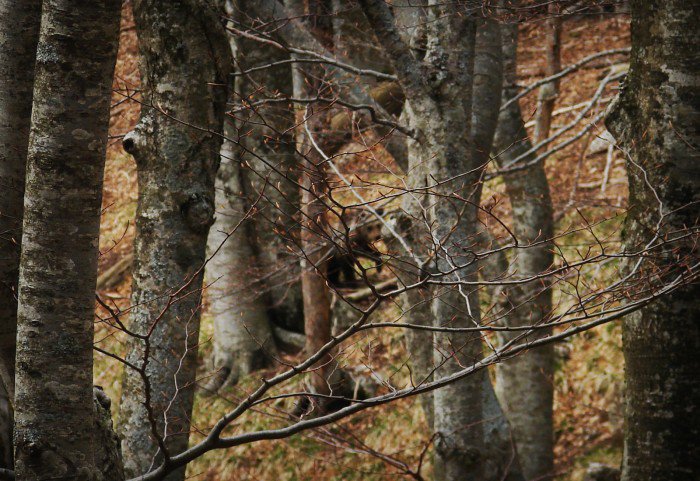
The area is also home to a range of wildlife, including deer, wild boar, and brown bears. While the presence of a brown bear may sound intimidating, encounters are extremely rare. Bears naturally avoid humans, and with normal hiking behavior – making some noise, staying on marked trails, and not leaving food behind – there is very little risk. For many hikers, simply knowing these animals inhabit the landscape adds to the sense of wild, untouched nature that makes Velebit so unique.
If you are lucky, you may catch one in a photo, like we did (though this one was photographed in Southern Velebit).
What to expect (and what surprises people)
1. It’s more remote than you think
- Limited mobile signal
- Few facilities
- Long distances between huts
2. Water is limited
- Some huts have water cisterns
- natural sources can dry out in summer
Always carry enough water.
3. Terrain is rough
Even on easier routes:
- sharp limestone rock
- uneven surfaces
- constant foot placement required
4. Navigation can be tricky
Although trails are marked:
- markings can be faded
- fog reduces visibility
- intersections are not always obvious
Do you need a guide in Northern Velebit?
Honestly, it depends. Technically – no.
But realistically?
Often yes, especially if you’re visiting for the first time and you are a beginner hiker.
A guide makes sense if you:
- are unfamiliar with Croatian hiking terrain
- want to avoid route planning and navigation stress
- have limited time and want the best route
- want to explore less obvious areas safely
- You are a beginner hiker
What a guided hike changes
Instead of:
- checking maps
- second-guessing directions
- worrying about weather
you get:
- a route adapted to your level
- local knowledge
- safer decision-making
- a more relaxed experience
Northern Velebit is one of the most impressive hiking areas in Croatia – but it’s not the easiest.
It rewards preparation, awareness, and good decision-making.
If you approach it right, it can easily become the highlight of your trip.
Planning a hike in Northern Velebit?
Looking to explore Velebit without worrying about navigation, weather, or route planning?
I offer private and small-group guided hikes across Velebit – from scenic sections of the Premužić Trail to more remote and demanding routes. Weekdays and weekends.
Each hike is adapted to your experience level, weather conditions, and goals.
Feel free to get in touch – no commitment.







Leave a comment